Therapeutic Bite Alignment Manages Chronic TMJ Symptoms

Temporomandibular Joint (TMJ) disorders occur when the jaw joints and the surrounding muscles are out of alignment, often leading to chronic pain, clicking, and headaches. Orthodontic treatment can alleviate these symptoms by correcting the “malocclusion” (bad bite) that causes the jaw to sit in an unnatural position. Patients in Derby find relief through a combination of alignment therapy and custom occlusal stabilization.

The way your teeth meet dictates the position of your jaw joint. If your bite is misaligned, the muscles of the face and neck must work harder to chew and speak, leading to fatigue and inflammation. At Derby Orthodontics, we take a comprehensive view of the masticatory system. Dr. Snider evaluates how the teeth, bone, and joints interact to identify the root cause of your discomfort.

By moving the teeth into a position that supports a neutral jaw alignment, we can reduce the strain on the TMJ. This often involves correcting “deep bites” or “crossbites” that force the jaw to shift to one side. While some cases may require a protective night guard to prevent grinding, the long-term goal of orthodontic intervention is to create a “functional harmony” that prevents the recurrence of pain and protects the teeth from premature wear.

How Jaw Alignment Can Affect Your Balance and Ear Symptoms

If you feel dizzy or hear ringing in your ears, your jaw might be involved. The temporomandibular joint (TMJ) sits right next to your ear, and if you have problems here, it can cause unexpected symptoms. Your orthodontist in Derby, KS, can diagnose that for you. But until then, here’s what you need to know.

What Is TMJ and the Issues It Causes?

The TMJ connects your jaw to your skull. Misalignment can cause pain, clicking, or trouble chewing. It can also affect nearby ear structures. Braces in Derby, KS, or a TMJ treatment might be what you need to correct this issue.

A 2018 review published by the National Institutes of Health found that TMJ disorders can cause ear symptoms like tinnitus and ear fullness.

What an Orthodontist Checks During a TMJ Exam

During a TMJ evaluation, an orthodontist checks the following.

  • How your bite fits together.
  • How your jaw moves.
  • Muscle tenderness or soreness.
  • Clicking or popping in the joint.
  • Any changes in your posture or head position.

This helps determine whether orthodontic treatment or a TMJ-focused plan is needed.

The Vestibular System and Its Role in Your Balance

The vestibular system in the inner ear controls balance. If it sends mixed signals, you might feel dizzy or off-balance.

How TMJ Misalignment Affects Your Inner Ear

TMJ problems often show up as ear symptoms like tinnitus, ear fullness or pressure, or pain without an infection. This happens because nerves and tissues in the area are closely linked.

Are You Looking for a Reputable Orthodontist in Derby, KS?

If you experience dizziness, ringing in your ears, or ear pressure along with jaw pain, please Contact Derby Orthodontics today. A simple TMJ exam can determine whether bite alignment is affecting your balance. Alternatively, you might need braces in Derby, KS. Correcting your bite could possibly reduce your TMJ stress and improve your balance.

Disclaimer: This content is for general information purposes only and should not be considered medical advice. Consult a qualified professional for diagnosis and treatment. 

Does a Sore Jaw Mean that I Have TMJ?

It’s not uncommon for people to have a sore jaw. From teeth grinding to chewy foods, there are a lot of ways to feel the pressure. Of course, if the pain is constant or recurring, then it’s likely there’s more to the story than just a one-time muscle ache. Here, we’ll look at what causes a sore jaw and whether it might be TMJ in Derby, KS.

Symptoms of TMJ

Having a sore jaw is one of the most common symptoms of TMJ, a condition that’s caused by damage in your temporomandibular joint. This joint is what allows you to move the jaw fluidly up and down and if the cartilage or the actual joint is damaged, it can inflame the area and cause soreness.

Symptoms often start on one side of the face, though it’s theoretically possible for cartilage to wear away at the same rate and begin on both sides of the face. You may hear a clicking or popping in the mouth every time you chew, or feel stiffness or swelling (usually in the morning).

How to Tell

An orthodontist in Derby, KS can tell you that pain in the jaw can also occur for any number of other reasons, including gum disease, tooth decay, wisdom tooth impaction, or an infected tooth. However, for most people, these issues will result in far more than a sore jaw, such as localized tooth or gum pain, which can give you clues as to what you’re dealing with.

If you’ve had ongoing soreness in the jaw, pain that you can’t trace back to a single event (e.g., a fall), the team at Derby Orthodontics can evaluate you for TMJ so you can solve the mystery (and get some relief).


Is Your Tinnitus Being Caused by a TMJ Disorder? 

If you have tinnitus, you know how debilitating it can be. And you probably think there is nothing you can do about it. But what if there is? Well, if a TMJ disorder in Derby, KS, is causing your tinnitus, there is.

Let’s talk about that possibility.

Ask Yourself These Five Questions

  1. Does the intensity or other characteristics of your tinnitus change from day to day?
  2. Do your tinnitus symptoms change anytime you open or close your mouth? Or when you move your jaw up or back?
  3. When you chew, does your tinnitus get worse?
  4. Does your tinnitus get worse when you clench your teeth?
  5. Does your tinnitus get worse when you tilt or turn your head?

What to Do If You Answered Yes to Any of the Above Questions

If you answered yes to any of the above questions, you might have a TMJ disorder. So, make an appointment with your orthodontist in Derby, KS, right away.

How a TMJ Disorder Can Lead to Tinnitus

Your temporomandibular joint (TMJ) is situated close to your inner ear, including your eardrum. TMJ disorders cause muscle strain. That muscle strain affects your trigeminal nerve. And that can lead to tinnitus.

Treating a TMJ Disorder

Your orthodontist can help treat your TMJ disorder. There are various methods they will discuss with you. These might include oral appliances (such as a nightguard), behavioural changes, jaw exercises, or other tried-and-true methods.

Looking for a Reputable Orthodontist in Derby, KS?

If you want to find out if a TMJ disorder is causing your tinnitus, please Contact Derby Orthodontics today. We will perform an exam and let you know how we can help if you do, in fact, have a TMJ disorder.

5 Signs You Might Have a TMJ Disorder 

Have you been waking up with a sore jaw? It may be due to issues with the joints that connect your jaw to your skull — the temporomandibular joints (TMJ). Injuries, teeth grinding, and even stress can cause TMJ disorders to develop. Our orthodontists in Derby, KS, at Derby Orthodontics provide guidance and care for managing this condition. Let’s go over a few signs that may indicate that you have TMJ issues.

Severe Jaw Pain

Does your jaw hurt, especially when you wake up? Soreness is one of the most common signs of TMJ disorders. Arthritis, teeth grinding, and other causes can lead to ongoing jaw pain.

Jaw Noises

Do you hear sounds when opening and closing your mouth? Problems with your jaw joints can cause clicks, pops, or similar noises when you chew or talk.

Headaches

Have you been experiencing migraines or other headaches frequently? Issues with jaw joints can trigger head pain as the nerves in the area are affected.

Limited Jaw Movement

Do you have a hard time opening and closing your mouth? TMJ disorders may cause stiffness that makes it difficult to move your jaw, resulting in trouble chewing and speaking.

Facial or Ear Pain

Soreness in your jaw isn’t the only kind of pain you might have with TMJ disorders. You might also have pain in one or both ears or in your face around the jaw area.

Visit Our Orthodontists for Relief from TMJ Symptoms!

Do you suffer from jaw pain and other signs of TMJ disorders? Our orthodontic team is here to help! At Derby Orthodontics, we offer effective TMJ treatment in Derby, KS, such as splints to ease soreness.

What Is a TMJ Disorder?

A TMJ disorder is a condition that affects your jaw joints and the surrounding muscles. TMJ stands for temporomandibular joint dysfunction. And although these conditions are called TMJ, the TMJ is actually the jaw joint itself and not the condition. The condition is technically called TMD, which stands for temporomandibular joint dysfunction. That makes more sense, doesn’t it? But it is also frequently referred to as a TMJ disorder, which, when the word disorder is added to the TMJ, makes it correct as well.

The Three TMD Categories

These are the three categories of TMD.

Jaw Joint – disorders of your jaw joints.

Chewing Muscles – disorders of the muscles you chew with.

Headaches – headaches that are the result of a TMD.

The Symptoms of a TMJ Disorder

If you have any of the following symptoms, you might have a TMJ disorder.

  • Shoulder, neck, or jaw pain
  • Jaw stiffness
  • Facial pain
  • Headaches and/or migraines
  • Toothaches or earaches
  • Tinnitus
  • Jaw clicking or popping
  • It’s hard to open and close your mouth
  • Changes in the way your teeth fit together

Potential Causes of a TMJ Disorder

There are several potential causes of a TMJ disorder in Derby, KS. Here are some of the main culprits.

  • Teeth clenching or grinding
  • Jaw injury
  • Stress
  • Arthritis in your jaw joint
  • Malocclusion

Your orthodontist will perform a dental exam and talk with you about your pain and any other symptoms you might be experiencing to determine if you do, in fact, have a TMJ disorder. They will then make a treatment recommendation that best suits your needs.

Are You Looking for an Orthodontist in Derby, KS?

Please Contact Derby Orthodontics today. We are premier orthodontic care specialists with a state-of-the-art, comfortable, and relaxing environment. Our modernized facility utilizes the latest technical industry advancements to provide you with the best possible care.
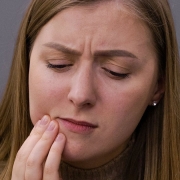
What Causes TMJ Disorders and When to Seek Treatment 

Does your jaw hurt, especially when opening or closing your mouth? You might have a condition known as temporomandibular joint disorder (TMD or TMJ). This affects the joints that connect your jawbone to your skull. Our orthodontists in Derby, KS, can help you find relief, depending on what’s causing this condition. Let’s explore the potential causes!

Genetics

Does TMJ run in your family? Genetics can play a role in your risk of developing this condition. You might be more prone to it if you have a family history of it, especially if you also have other risk factors.

Teeth Grinding

Do you clench your jaw or grind your teeth? This behavior, known as bruxism, typically happens during sleep. The added strain it puts on your jaw muscles and other parts of these joints can trigger symptoms.

Arthritis

Medical conditions that affect joints, such as arthritis, can affect your jaw joints. This happens due to inflammation in these parts of your body that may increase with age.

Injuries

Have you had a head or jaw injury? These injuries may raise your risk of developing TMJ, resulting in jaw pain, stiffness, and other symptoms.

Stress

Do you often feel stressed? Day-to-day stress or acute stress can increase your risk of having TMJ. Having anxiety is another factor that can raise this risk. These factors lead to more tension in your jaw muscles, potentially triggering symptoms.

When to Seek Care

If you’ve been having any signs of TMJ, it’s time to get treatment for symptom relief!

Visit Us for TMJ Treatment!

Are you looking for effective care to ease this disorder? Our orthodontic team at Derby Orthodontics offers TMJ treatment in Derby, KS, to relieve jaw pain, headaches, and any other symptoms you’ve been experiencing!

TMJ Disorders

What Treatments Are Available for TMJ Disorders?

Having a problem with the joint that connects your upper and lower jaw can cause frequent pain and other symptoms. This condition, known as temporomandibular joint (TMJ) disorder, can happen if you grind your teeth. Stress, trauma, and arthritis are other possible causes. Our orthodontists in Derby, KS, at Derby Orthodontics can provide treatment to help you manage this condition — and experience relief!

Lifestyle Changes

In some cases, TMJ symptoms can occur on a short-term basis due to inflammation. We might suggest a few changes in your daily life to help reduce inflammation and ease symptoms, such as:

  • Exercises for your jaw
  • OTC pain relievers
  • Dietary changes that decrease inflammation

Joint Injections

For more severe pain, we may recommend getting injections to help relieve inflammation, such as corticosteroid injections. We can administer these as part of a treatment plan for managing TMJ symptoms. These injections can effectively ease swelling, aches and pains, and other symptoms.

Splints

If you’re experiencing soreness or other symptoms due to clenching your jaw or grinding your teeth, we can fit you with a custom-made splint. This oral appliance is a removable type that prevents you from clenching or grinding your jaw. It helps ease stress on the affected joint, alleviating symptoms.

Botox

This is another treatment option if you have TMJ disorder from clenching your jaw muscles. Botox helps ease tension in these muscles, reducing the risk of having you continue grinding or clenching your jaw.

Visit Us for Relief from TMJ Symptoms!

Do you need to find a way to manage this disorder? At Derby Orthodontics, our orthodontists offer TMJ treatment in Derby, KS, to help ease soreness and other symptoms so you can enjoy ongoing relief!

TMJ Disorders Explained

Do you have jaw pain and don’t know where it’s coming from? If so, you might have a TMJ disorder. You might have heard of the term TMJ before but do not know what it stands for or what it is. Of course, your orthodontist in Derby, KS, will go over everything with you. But until then, here is a quick overview.

What Is a TMJ Disorder?

A TMJ disorder is a condition that affects your jaw joints and the surrounding muscles. TMJ stands for temporomandibular joint dysfunction. And although these conditions are called TMJ, the TMJ is actually the jaw joint itself and not the condition. The condition is technically called TMD, which stands for temporomandibular joint dysfunction. That makes more sense, doesn’t it? But it is also frequently referred to as a TMJ disorder, which, when the word disorder is added to the TMJ, makes it correct as well.

The Three TMD Categories

These are the three categories of TMD.

Jaw Joint – disorders of your jaw joints.

Chewing Muscles – disorders of the muscles you chew with.

Headaches – headaches that are the result of a TMD.

The Symptoms of a TMJ Disorder

If you have any of the following symptoms, you might have a TMJ disorder.

  • Shoulder, neck, or jaw pain
  • Jaw stiffness
  • Facial pain
  • Headaches and/or migraines
  • Toothaches or earaches
  • Tinnitus
  • Jaw clicking or popping
  • It’s hard to open and close your mouth
  • Changes in the way your teeth fit together

Potential Causes of a TMJ Disorder

There are several potential causes of a TMJ disorder in Derby, KS. Here are some of the main culprits.

  • Teeth clenching or grinding
  • Jaw injury
  • Stress
  • Arthritis in your jaw joint
  • Malocclusion

Your orthodontist will perform a dental exam and talk with you about your pain and any other symptoms you might be experiencing to determine if you do, in fact, have a TMJ disorder. They will then make a treatment recommendation that best suits your needs.

Are You Looking for an Orthodontist in Derby, KS?

Please Contact Derby Orthodontics today. We are premier orthodontic care specialists with a state-of-the-art, comfortable, and relaxing environment. Our modernized facility utilizes the latest technical industry advancements to provide you with the best possible care.