

Why Does My Jaw Click When Eating? Key Triggers for Joint Tension and How to Prevent It
Frequent jaw clicking while eating signals underlying joint tension and uneven bite alignment. Restoring optimal temporomandibular placement relieves chronic facial discomfort while protecting the joint’s long-term cushion health. Specialized evaluation at Derby Orthodontics helps local patients identify precise triggers and regain comfortable, pain-free chewing balance.
Enjoying lunch along K-15 or grabbing a quick meal near Patriot Avenue should never come with a sharp popping noise in your jaw. Many adults commuting between Derby and Wichita experience clicking sounds while chewing and often ignore the early signs of joint strain. At Derby Orthodontics, board-certified specialists help patients pinpoint the structural roots of jaw tension before minor clicking turns into persistent discomfort. Understanding how your jaw joints work helps you make informed decisions about your oral health.
Smooth jaw movement relies on balanced temporomandibular alignment, which refers to how the lower jaw bone connects to the base of the skull. Inside this complex hinge lies a small cartilage pad called the articular disc, which acts as a protective cushion between moving bones. When biting forces become uneven, this cartilage pad slips out of its natural position. A distinct click occurs when the joint ball snaps back onto the cushion during opening or closing.
Structural Triggers and Biological Mechanics of Joint Strain
Daily stress, teeth grinding, and misaligned arches place continuous pressure on surrounding facial muscles. Improper condylar positioning, which describes the placement of the rounded joint ball within its socket, forces jaw muscles to work twice as hard during normal chewing. Uneven pressure distribution, known as unbalanced occlusal forces, wears down joint cartilage over time. Gentle orthodontic adjustments realign your bite, relieving muscle fatigue and keeping the joint cushion properly centered. Restoring structural balance protects your jaw joints from long-term wear while eliminating annoying clicking sounds.
Comparing Jaw Joint Care Strategies
| Treatment Approach | Structural Joint Support | Muscle Tension Relief | Long-Term Solution |
| Targeted Orthodontic Alignment | High structural realignment | Complete muscle relaxation | Permanent bite correction |
| Custom Night Splints | Moderate joint stabilization | High nighttime relief | Prevents active grinding damage |
| Over-the-Counter Pain Relievers | Zero joint realignment | Temporary symptom masking | Short-term comfort only |
| Soft Food Diets | Low joint workload reduction | Moderate temporary rest | Does not correct structural bite |
Key Steps to Prevent Daily Jaw Joint Strain
- Avoid chewing hard candies or sticky foods that strain facial joint muscles.
- Practice gentle posture checks while sitting at your desk during long workdays.
- Wear a custom night guard if you experience evening stress or morning jaw tightness.
- Apply warm compresses to sore cheek muscles to encourage natural tissue relaxation.
- Schedule a professional orthodontic consultation to evaluate your overall bite alignment.
Common Questions About Jaw Clicking and Joint Strain
Noticing a sudden popping sound while eating dinner at High Park can feel alarming, especially if jaw tightness begins affecting your daily routine. Many local residents wonder whether jaw clicking will clear up on its own or if it signals a progressive joint issue. Understanding your symptoms helps you take proactive steps toward lasting comfort. Below are straightforward answers to common questions regarding jaw clicking and joint care.
Why does my jaw click specifically when I am chewing food?
Jaw clicking happens when the protective joint cushion slides out of place while your jaw moves. Neighboring families near Rose Hill often notice this sound during meals when chewing forces press against misaligned joints. Realigning your bite restores balanced condylar positioning, allowing the joint pad to glide smoothly without popping.
Will jaw clicking go away on its own without treatment?
Occasional clicking might fade temporarily, but underlying structural bite misalignments usually persist without intervention. Visiting our welcoming practice in Derby provides peace of mind as we evaluate your joint health. Early professional guidance stops joint wear before chronic pain or jaw locking develops.
How can orthodontic care fix a clicking jaw joint?
Orthodontic treatment realigns your upper and lower arches so teeth meet evenly when you bite down. Patients across Haysville benefit from custom alignment plans that remove excess pressure from facial muscles. Balancing occlusal forces stabilizes the temporomandibular joint, providing long-term relief from clicking and muscle tension.
Schedule Your Jaw Pain Consultation in Derby
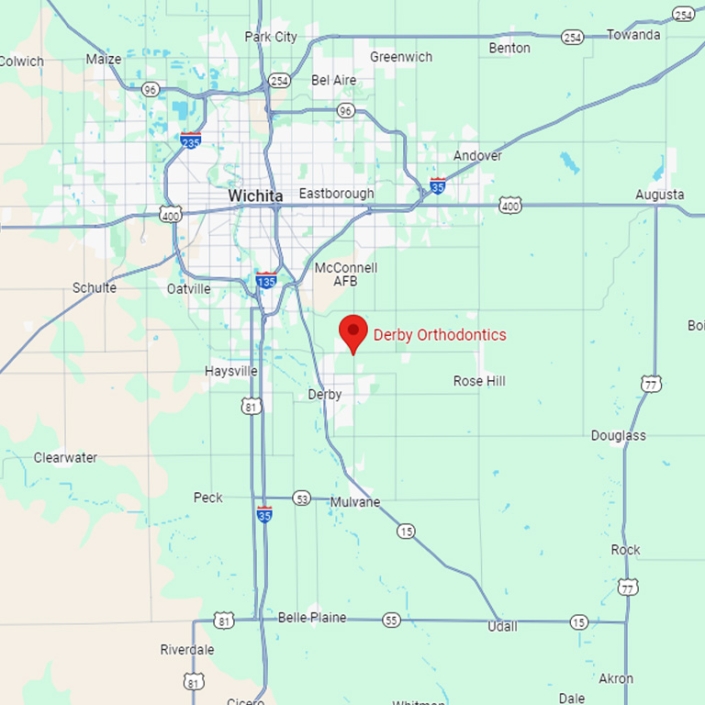
Finding relief from persistent jaw clicking and muscle tension is easy with localized care right in your community. Derby Orthodontics provides personalized evaluations to help you chew comfortably and protect your joint health. Located conveniently along South Rock Road, our modern office serves patients from Mulvane to Haysville with dedicated expertise. Contact our compassionate team today to book your comprehensive consultation.




Leave a Reply
Want to join the discussion?Feel free to contribute!